
How Often Does a Septic Tank Need Pumping?
Three to five years is the general rule for a typical residential tank, and that range comes down to two things: how big the tank is and how many people are running water through it. A bigger household on a small tank pumps more often than a couple on a tank sized for a family of six, and if you're weighing a monthly porta potty rental for a jobsite instead, that math runs differently. If you're not sure which side of that range you're on, how often to pump a septic tank in North Miami walks through the math with more detail than we can fit here. Garbage disposals, long showers and washing machines running daily all push the interval shorter. We see plenty of North Miami homes on 3-year cycles simply because the household grew and the tank didn't, similar to how a busy jobsite needs porta potty rental per day reassessed as crew size grows. If you've never had the tank serviced and don't know the size, that's the first thing we check before quoting anything, because guessing at gallons wastes everyone's time on pump day.
What Are the Warning Signs a Septic Tank Needs Pumping?
Slow drains, gurgling pipes and standing water near the drain field are the three signs that show up before a full backup. Sewage odor around the yard, especially after rain, usually means the tank is at or past capacity. A soggy patch of grass over the tank or drain field, greener than the rest of the lawn, is another tell, much like porta potty placement guide flags ground softness before a unit goes down. If a toilet backs up when you run the washing machine, that's not a coincidence, it's a full tank pushing back through the pipe of least resistance. Septic tank warning signs covers the full list if you want to check before calling. Catching it early keeps the job a routine pump instead of an emergency dig, the same logic behind checking porta potty rental checklist before a project starts. North Miami's water table sits close to the surface in a lot of neighborhoods, and that can mask drain field trouble until it's already backing up into the house, so don't wait on a slow drain that's been slow for weeks.

What Does a Septic Pumping Service Include?
A standard visit starts with locating the tank lid, which sometimes means digging if there's no riser installed. Once it's open, the crew pumps out the liquid and solid waste, checks the baffles for damage, and gives you a read on the sludge and scum layers so you know how the tank looked going in. We look for cracks, root intrusion and lid damage while we're down there, since that's the cheapest time to catch a repair before it turns into a replacement, the same inspection habit that keeps a standard porta potty rental unit out of service calls. If the tank feeds a garbage disposal or a full kitchen, we'll flag buildup that's heavier than normal. For anyone managing a restaurant or commercial kitchen instead of a house, grease trap pumping is a separate service, and a grease interceptor gets pumped once fats, oils, grease and solids hit 25 percent of the liquid depth, not on a fixed calendar. That's a different trigger than a household tank, which runs on the 3 to 5 year household cycle instead, whereas an event site leaning on a deluxe flushable porta potty or an ADA accessible porta potty has its own service rhythm entirely.
How Much Does Septic Tank Pumping Cost?
Pricing depends on tank size, access and how much buildup there is, but here's the band we work inside of:
| Service | Duration | Typical Range |
|---|---|---|
| Septic pumping | day rate | $150 to $300 |
| Septic pumping | weekend rate | $50 to $150 |
A standard 1,000 gallon tank pumping falls into the day-rate band above, with the final number set by how deep the tank sits and whether the lid needs digging out first. Weekend calls run through the weekend rate but expect that to sit at a premium if it's an after-hours dispatch, the same premium pattern you'll see comparing a restroom trailer rental cost or a storage container rental cost against weekday rates. For a full cost breakdown by tank size and access difficulty, septic tank pumping cost has more detail than we can fit in one table. If you're comparing this against other site services, porta potty rental cost and dumpster rental cost give you the same kind of band for the rest of the jobsite. Nobody wants a surprise invoice, so we quote off tank size and access before the truck rolls, not after, the same way we'd walk through dumpster weight limits before a roll-off shows up.
Do You Offer Holding Tank Rental for Construction or Events?
Yes. A holding tank is a sealed unit that stores waste until it's pumped, which is different from a septic system that treats waste on-site through a drain field. Construction crews without sewer hookups use them, and so do event sites that need waste storage without digging into a septic line, alongside a porta john rental or event restroom rental for the guests themselves. Holding tank rental covers the setup and pricing separately from a septic pump-out. If your project needs restrooms on top of holding tank capacity, pair it with portable restroom rental or a full restroom trailer rental depending on headcount and how long the job runs. Construction sites also fall under OSHA 1926.51(c), which sets toilet ratios by crew size, so if you're staffing a site in North Miami, that's worth checking alongside your holding tank plan. We size holding tanks the same way we size septic service: off actual usage, not guesswork, which is also how we answer how many porta potties do I need for a crew or a wedding party using wedding restroom rental.

Is Emergency Septic Service Available in North Miami?
Yes, same-day and after-hours dispatch is available when a tank backs up without warning. A full backup doesn't wait for business hours, and neither do we, and neither does a jobsite that suddenly needs temporary fence rental or a light tower rental after hours. Emergency septic service covers response for backups, overflowing tanks and drain field failures that can't sit on a schedule. We dispatch across North Miami and into the towns nearby: North Miami Beach sits 2.6 miles north, Miami Shores is 2.8 miles south, and we've run calls as far as Aventura, 6.1 miles northeast, and Hallandale Beach, 6.6 miles north. Sunny Isles Beach, 5.5 miles northeast, is inside that same response radius. If your emergency is jobsite sanitation rather than a home septic system, emergency porta potty rental is the faster fix while the bigger problem gets sorted out, and a hand sanitizer station rental can cover handwashing in the meantime. Either way, the call that matters is the first one, so don't wait until the yard floods.
Related Services in North Miami
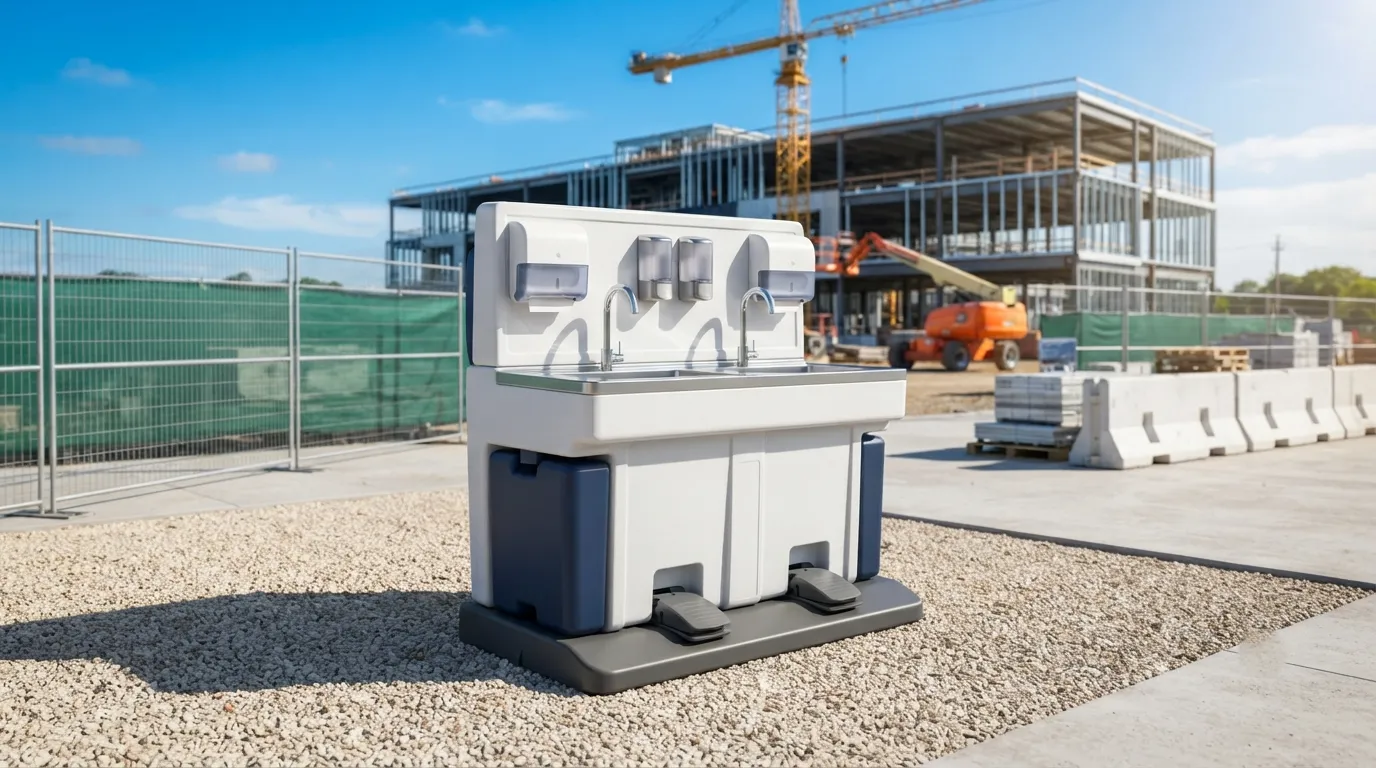
Septic pumping is one piece of keeping a property or jobsite running clean. If you're setting up a construction site from scratch, construction site services bundles portable toilets, fencing and dumpsters into one plan, and construction dumpster rental handles the debris side under standards like OSHA 1926.25 housekeeping requirements. For handwashing near a septic setup, remember that 29 CFR 1910.141(d)(2) requires soap and towels or a hand-drying device, not sanitizer alone, and a portable sink rental covers that requirement on a site without plumbing. Homeowners tackling a renovation should look at home renovation porta potty rental to keep the crew off the household system entirely during the project. Storage needs during a septic dig, like keeping tools and materials off the yard, are covered under storage container rental. For the full list of what we run across the county, service areas has the map, including coverage details for porta potty rental in North Miami Beach and porta potty rental in Aventura. You can also start with porta potty rental in North Miami if the property needs both septic work and standard restroom coverage in the same visit.
How much does 1,000 gallon septic tank pumping cost?
It falls inside the standard day-rate band for septic pumping, generally $150 to $300, though the exact number depends on tank access and buildup. Tanks buried deep or without a riser installed cost more to reach. Request a quote for your specific setup and address.
How often should a septic tank be pumped?
Every 3 to 5 years is the standard interval for a typical residential tank, driven by tank size and household size. Larger households or smaller tanks push that number down. Check how often to pump a septic tank for specifics.
What's the difference between a septic tank and a holding tank?
A septic tank treats and disperses waste through a drain field on-site. A holding tank just stores waste until it's pumped out, with no treatment. Construction sites and events without sewer access typically use holding tank rental instead.
Can I get same-day septic pumping in North Miami?
Yes, emergency and same-day service is available for backups and overflows. North Miami Porta Pros dispatches across North Miami and nearby towns including North Miami Beach and Miami Shores. Call as soon as you notice a backup rather than waiting.
What are signs my septic tank is full?
Slow drains, gurgling pipes, sewage odor and soggy patches over the tank or drain field are the main signs. A toilet backing up when you run the washer is a common early warning. See septic tank warning signs for the complete list.
Do you service grease traps too?
Yes, separately from residential septic tanks. A grease interceptor gets pumped once fats, oils, grease and solids reach 25 percent of the liquid depth, which runs on a different schedule than a household tank. Details are on grease trap pumping.
Next step
Get a delivery date
Tell us the address, the dates and the headcount. We size the order and confirm the route.