How Do Porta Potties Work?
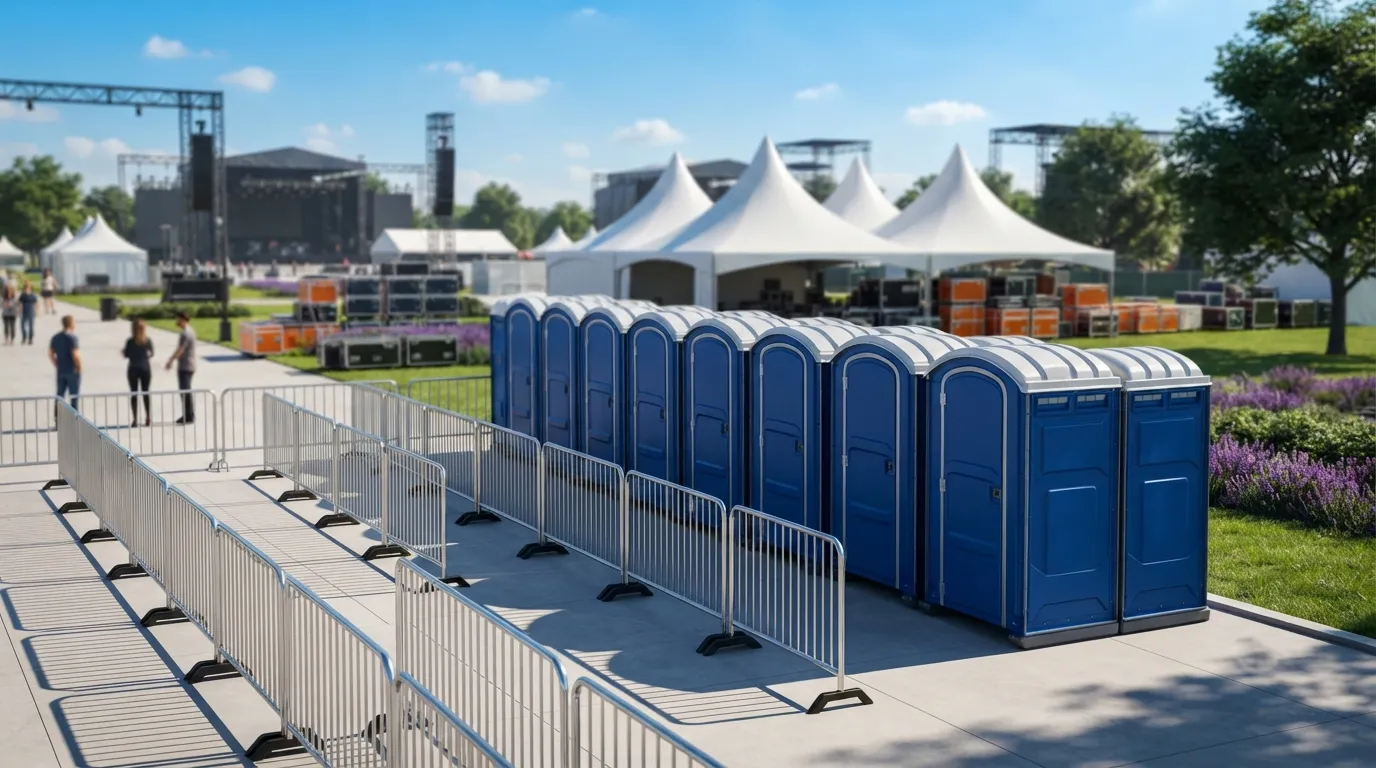
Under the seat sits a holding tank, typically 60 to 70 gallons on a standard porta potty rental, sized to the ground footprint of about 44 by 48 inches. Waste drops straight into the tank, where blue chemical treatment breaks down solids and locks in odor until the next pump-out. There is no water hookup and no flush handle on the base unit, which is why placement matters more than people expect. North Miami Porta Pros sets units on level, stable ground, following the same firm-surface logic behind ADA Standards section 302.1, even on non-accessible models. A vent stack pulls air up and out of the tank rather than into the stall, which is the main reason a well-serviced unit does not smell like the horror stories. For a construction worker running to a porta potty between tasks, the whole interaction takes seconds: open, use, close, done. Curious how many you actually need for a crew? Our how many porta potties do I need guide breaks it down by headcount, and our OSHA portable toilet requirements page walks through the ratio rules for jobsites.
How Do Flushable Porta Potties Work?
A deluxe flushable porta potty adds a small onboard freshwater tank and a foot pump or handle that pushes a measured rinse into the bowl after each use, flushing waste down into the holding tank below. It feels closer to a home bathroom, and most deluxe units also include a hand sanitizer dispenser or small sink. These run a wider price range than a standard unit because features vary unit to unit, so it is worth comparing options on our deluxe flushable porta potty page before booking. For weddings and other events in North Miami where guests notice the difference, we usually recommend deluxe over standard. See our wedding restroom rental and event restroom rental pages for setup guidance, or look at a restroom trailer rental if you want real flush toilets and running sinks under one roof, like our 2 stall restroom trailer or 4 stall restroom trailer options.
How Does a Portable Sink Work?
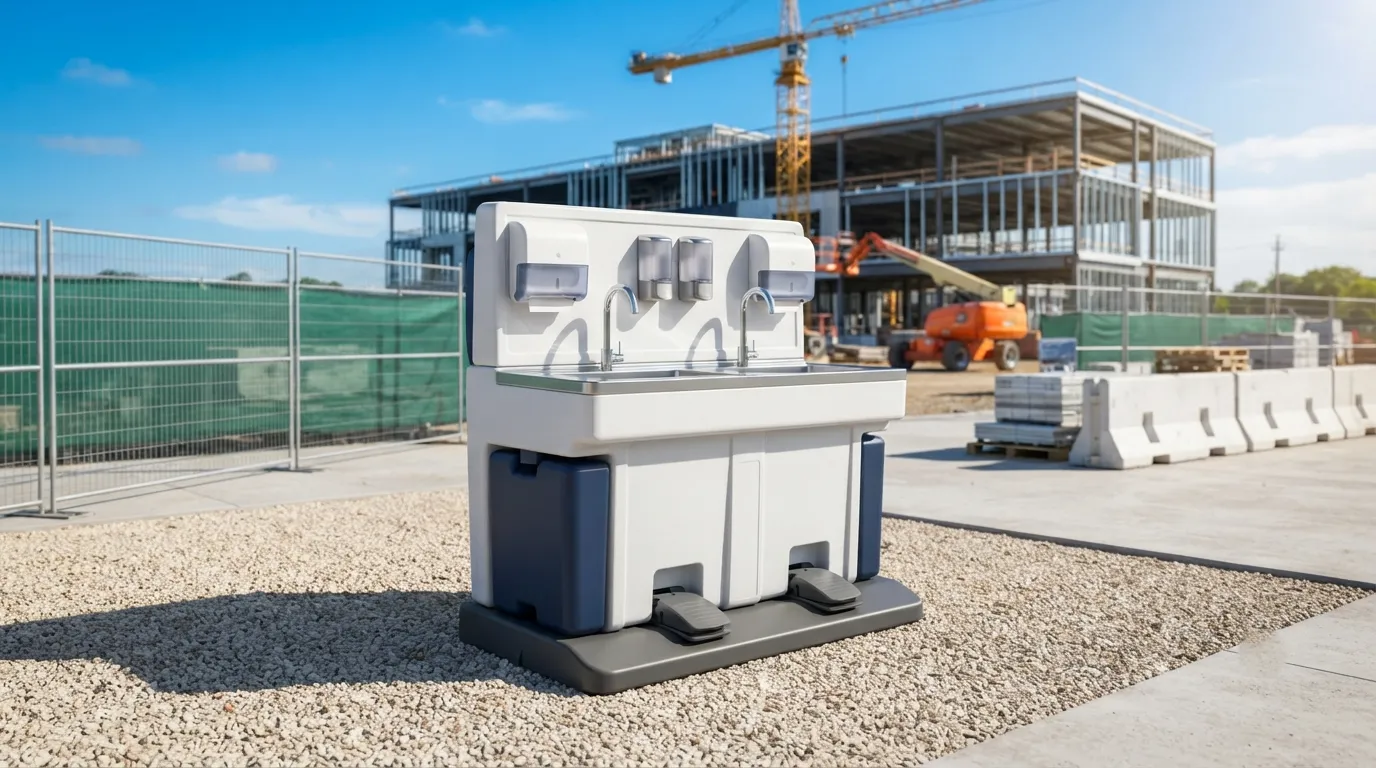
A portable sink or handwashing station rental works off the same no-plumbing logic as a porta potty: a fresh water tank feeds the faucet, usually by foot pump, and a separate gray water tank below catches the runoff for pickup later. Soap and paper towels are required, not optional, under 29 CFR 1910.141(d)(2), which is why our portable sink rental units always ship with both loaded. Hand sanitizer alone does not satisfy that standard, so a hand sanitizer station rental works as a supplement to handwashing, not a replacement for it. If your crew is applying paints, coatings, herbicides or insecticides, OSHA 1926.51(f)(1) specifically requires washing facilities on top of general sanitation. Farm crews doing hand labor fall under a different rule, OSHA 1928.110, which calls for one facility per 20 employees within a quarter mile walk, relevant for our farm and agricultural restrooms customers. Check our handwashing station requirements page for the full breakdown.
How Do Camping Porta Potties Work?
Camping and backyard-event units work exactly like a standard jobsite unit, just smaller in scale and often serviced less often since usage is lighter. The same chemical treatment applies, and the same 60 to 70 gallon tank range covers most rentals, though a short weekend booking may use a compact model. For camping trips, festivals, or a backyard gathering in North Miami, our camping porta potty and festival restroom rental pages cover the sizing differences. Service interval matters here too: the ANSI/PSAI Z4.3 industry standard sets a baseline of one service visit per week for up to 10 users across a 40 hour week, which is why weekend camping rentals rarely need a mid-trip pump-out. If you are also renting a septic system for a remote site, our holding tank rental page covers that setup, and residential septic tanks generally get pumped every 3 to 5 years depending on tank size and household size, per our how often to pump a septic tank guide.
| unit | day | week |
|---|---|---|
| standard | $100 - $350 | $130 - $500 |
| deluxe | $85 - $1200 | $150 - $290 |
| ada | $200 - $400 | $240 - $400 |
Full pricing detail, including monthly rates, lives on our porta potty rental cost and monthly porta potty rental pages.
Do porta potties smell if they are working correctly?
A properly serviced unit should not smell strongly. The vent stack pulls odor up and out, and chemical treatment in the tank breaks down solids between visits. Smell usually means a missed service date, not a design flaw. See do porta potties smell for more.
How often are porta potties cleaned?
Most rentals in North Miami get serviced weekly, consistent with the ANSI/PSAI Z4.3 baseline for up to 10 users. High-traffic events need daily service instead. Details on scheduling live at how often are porta potties cleaned.
Are portable toilet chemicals near me safe to handle?
Yes, when handled the way our crews handle them: gloved, in sealed containers, added during scheduled service rather than by renters. The blue deodorizer breaks down waste and controls odor. Renters never need to touch it themselves.
Can I place a porta potty anywhere on my property in North Miami?
Placement in the public right of way needs confirming with the city before delivery. On private property, we look for level, firm ground and truck access. Our porta potty placement guide and porta potty permit requirements pages cover both cases.
What is the difference between standard and ADA units?
ADA units are larger inside, built around a 60 inch turning circle per ADA Standards 304.3.1 and a 32 inch minimum door opening under section 404.2.3. Where units are clustered, at least 5 percent must be accessible per ADA Standards section 213.2. See ADA accessible porta potty.
Next step
Get a delivery date
Tell us the address, the dates and the headcount. We size the order and confirm the route.